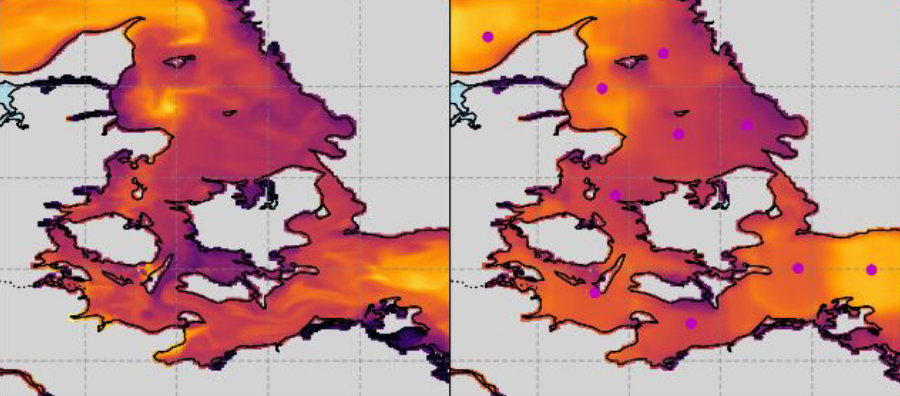
Neural Processes for Optimal Sensor Placement
Machine learning models for optimal ocean measurement locations using uncertainty-aware Neural Processes.

University of Rostock · Institute for Visual and Analytic Computing
Research group working at the intersection of machine learning, marine data, sensor systems, probabilistic modeling, and visual computing.
Member of the CORE Network (Cognitive Robotics in Europe)
Machine learning methods for marine data, sensor systems, medical imaging, tabular data, and human activity recognition.
Machine learning models for optimal ocean measurement locations using uncertainty-aware Neural Processes.
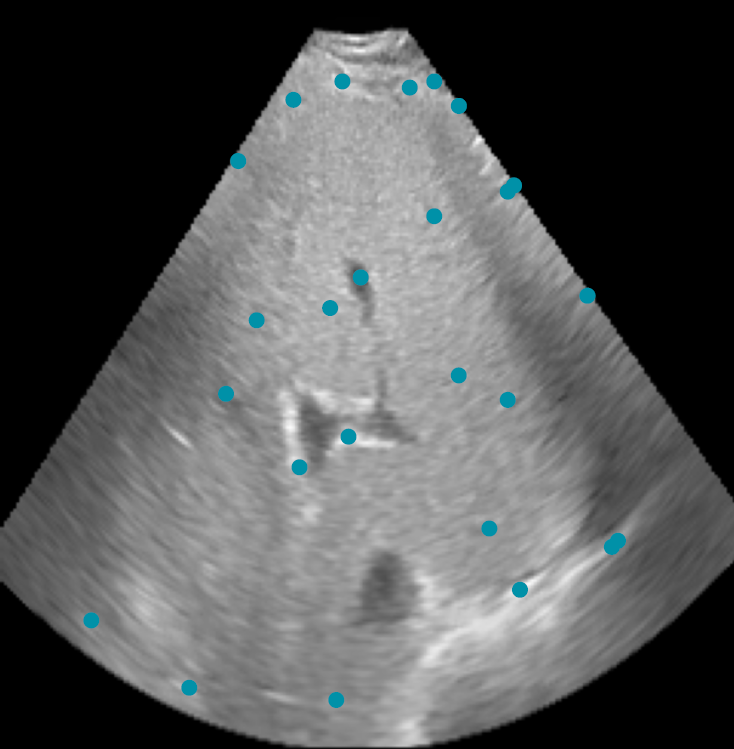
AI-driven real-time 3D ultrasound analysis for diagnostic and therapy guidance.
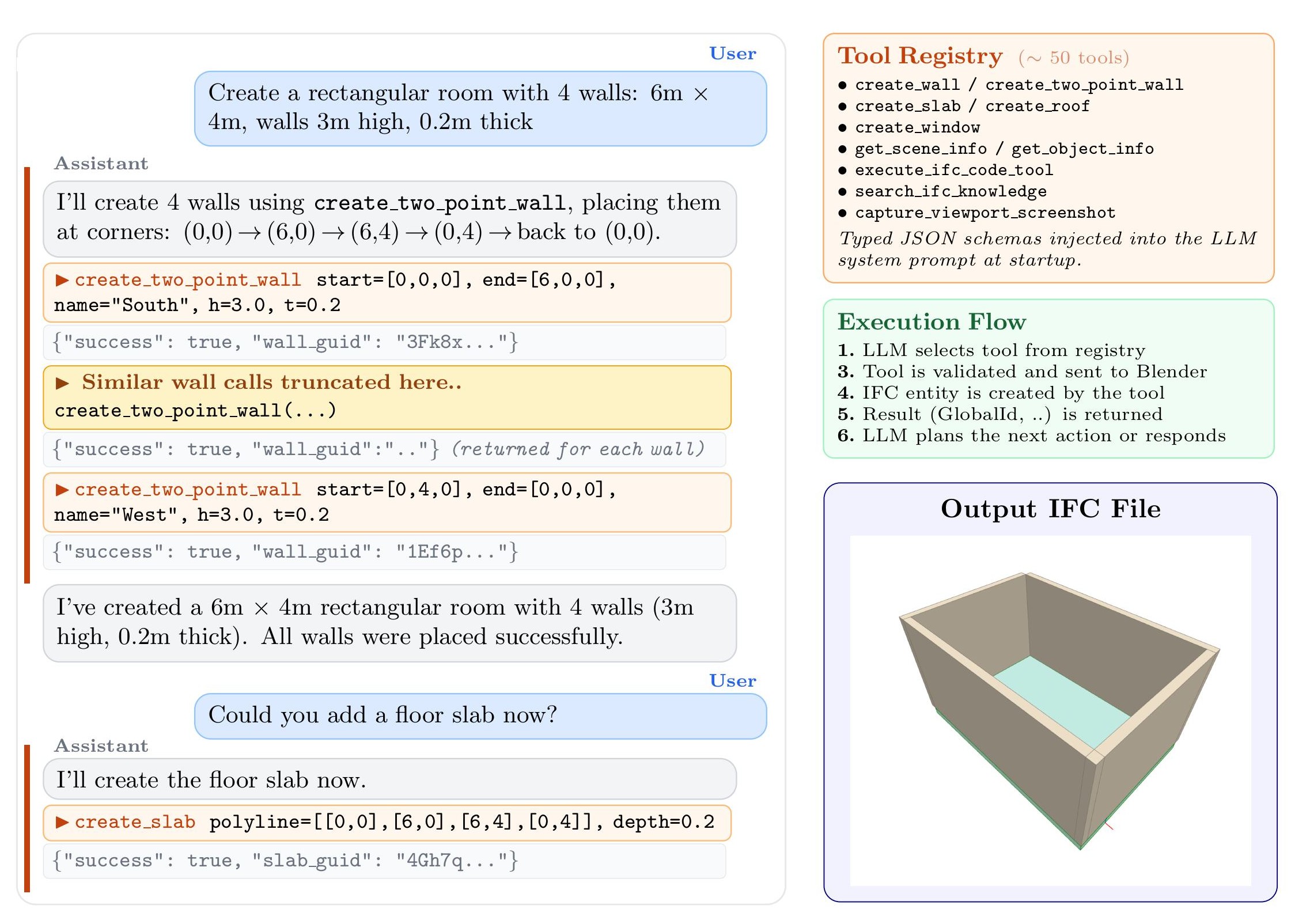
Methods that let language models call external tools reliably, from function calling and MCP to agents that act on real software systems.
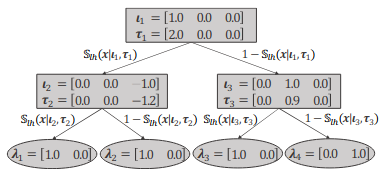
Deep neural network models for tabular and categorical data beyond tree-based baselines.
Funded research projects.
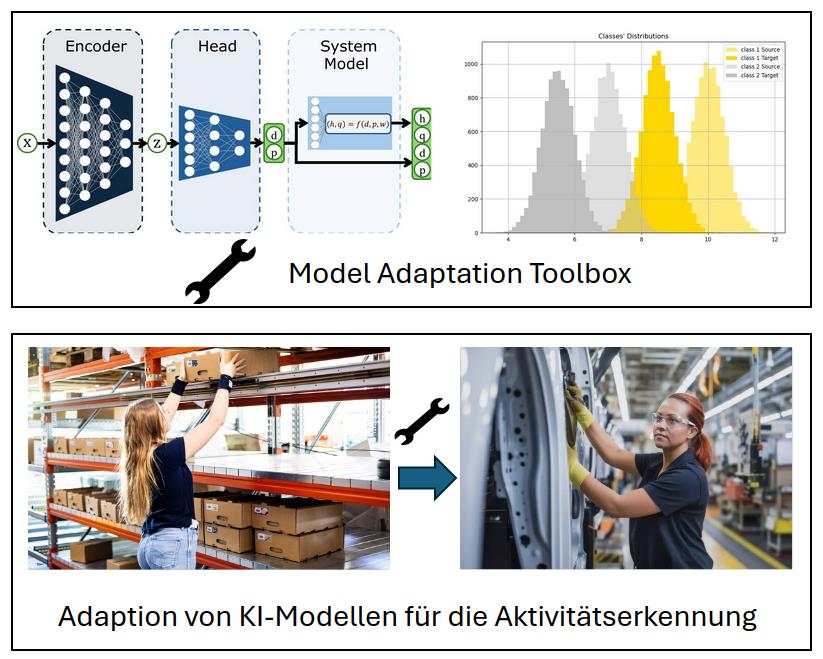
ADAPT-AI: Intelligent Adaptation of Machine Learning Models for Time-Series Data
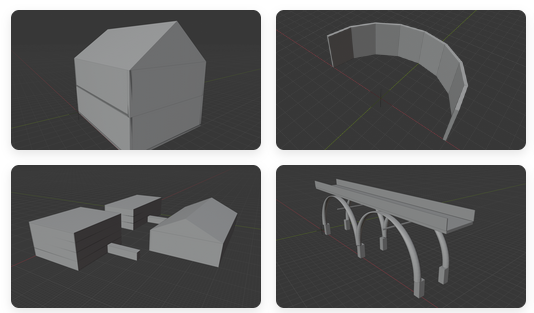
Multimodal generative AI for turning natural-language interaction with complex software systems into machine-processable instructions.
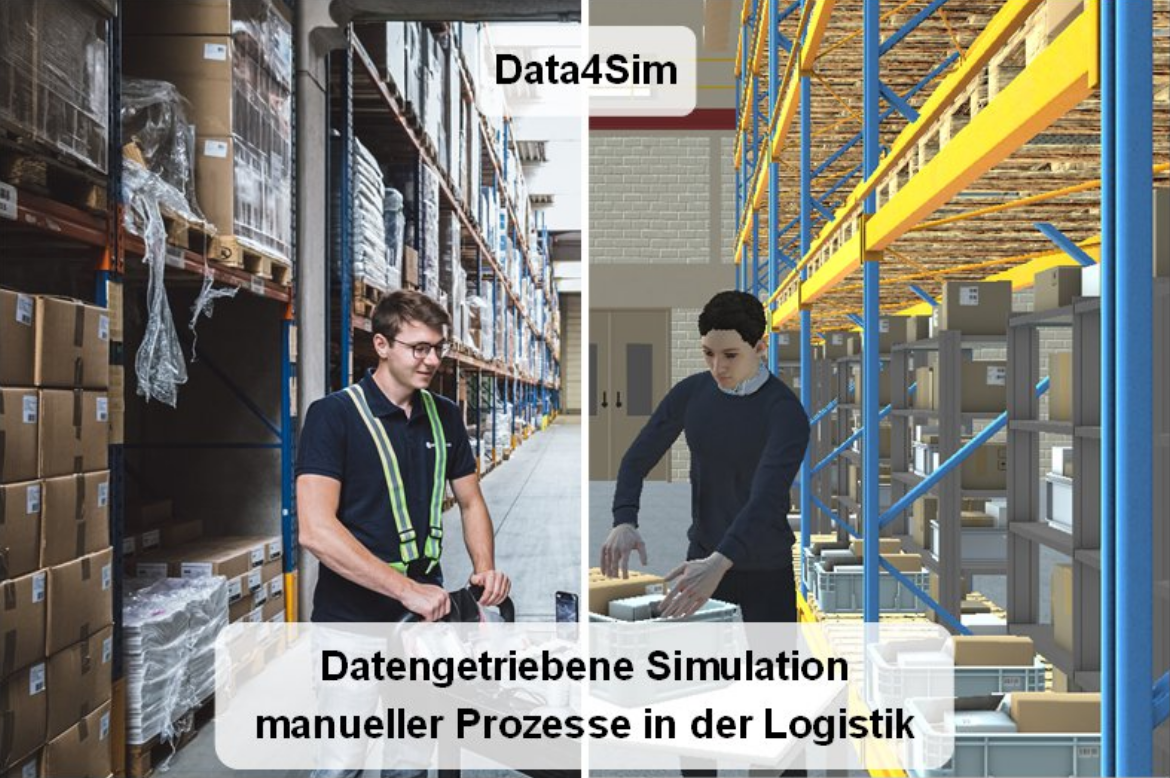
Sensor-based capture and simulation of manual logistics processes for testing operational changes before implementation.
For students
We are always looking for motivated students to work on Bachelor and Master thesis topics.
Students interested in pursuing a thesis related to medical applications are welcome to contact Daniel Wulff.
Automated IFC-to-USD pipeline producing physics-ready, semantically annotated simulation environments for Embodied AI.
Learning the recurring relationships between objects in valid IFC models with graph neural networks.
3D semantic segmentation and primitive fitting to convert point clouds into parametric IFC datasets for Text-to-BIM.
Building a searchable database of BIM components, standards, and code documentation, and testing whether retrieval improves LLM-based BIM editing.
Feeding point cloud semantics directly into multimodal LLMs for abstract spatial reasoning and zero-shot routing.
A hierarchical object graph that generates high-fidelity geometry only when a manipulation task requires it.
Benchmarking VLM spatial reasoning by tasking agents to reconstruct Blender scenes as executable bpy code from images.
Evaluating uncertainty estimation methods for Convolutional Conditional Neural Processes in the context of optimal sensor placement
Methods for selecting pseudo-labels in semi-supervised learning scenarios to improve model performance with unlabeled data.
Positioning-invariant Human Activity Recognition using Spatial Transformer Networks
Current lectures and student projects.
Summer semester group project on spatial understanding in egocentric data.
Winter semester group project on spatial intelligence from 3D building models for robots and LLM agents.
Artificial Intelligence teaching material for UBB Cluj-Napoca.
Current team members.




PhD student



Team Assistant
Systems Engineer